
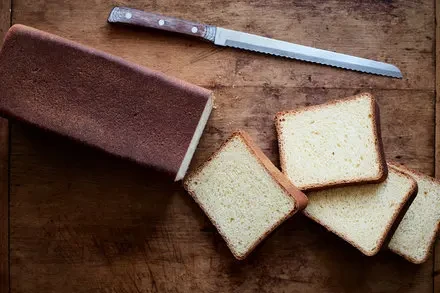
Recipe Details
Agege Bread Recipe: A Traditional Nigerian Staple
Introduction
Agege Bread, a beloved staple in Nigerian cuisine, is celebrated for its soft, slightly sweet crumb and dense texture. Originating from Lagos, this bread is traditionally prepared with minimal ingredients yet remarkable structure, making it ideal for sandwiches or as a standalone treat. The slow fermentation and careful shaping yield a uniform, aerated crumb and a subtle sweetness, hallmarked by its association with comfort and cultural heritage.
Ingredients (Yields 1 large loaf)
1 tablespoon active dry yeast (ensure freshness)
1 cup (240 ml) warm water or whole milk (110°F/43°C; warm but not hot to preserve yeast activity)
5 cups + 4 tablespoons (715 g) bread flour (high gluten content ensures structure; all-purpose flour may be substituted, though results vary)
¾ cup + 2 tablespoons (175 g) granulated sugar (fuels fermentation and contributes to sweetness)
1 tablespoon non-fat dry milk powder (enhances flavor and adds tenderness)
1 tablespoon kosher salt (balances sweetness and strengthens gluten)
2 large eggs, lightly beaten (add richness and structure)
4 tablespoons (55 g) unsalted butter, softened (for flavor and a smooth crust)
Preparation
1. Yeast Activation
In the bowl of a stand mixer fitted with the dough hook, combine the yeast, warm water/milk, 2 tablespoons bread flour, and 1 tablespoon sugar. Stir gently to dissolve the sugar and flour, then let sit undisturbed in a warm place (75–80°F/24–27°C) until the surface develops a foamy layer, 8–12 minutes. Note: If no foam forms, discard and use fresh yeast, as inactive yeast will fail to leaven the dough.
2. Dough Mixing & Kneading
In a separate bowl, whisk together the remaining 5 cups + 2 tablespoons bread flour, ¾ cup sugar, milk powder, and salt. Add the lightly beaten eggs and the flour mixture to the yeast solution. Stir with a wooden spoon until a shaggy dough forms (30–60 seconds). Add the softened butter and continue mixing on medium-low speed for 12–15 minutes, or by hand for 15–20 minutes, until the dough is stiff but stretchy (pass the windowpane test: stretch a small piece until it forms a thin, opaque membrane without tearing).
3. First Proofing
Shape the dough into a smooth ball and transfer to a lightly oiled bowl. Cover with plastic wrap and let rise in a warm, draft-free area until doubled in size, 1–2 hours. Alternative: Slow-proof overnight (4–8 hours) in the refrigerator for enhanced flavor development. Remove 30 minutes before shaping to remove chill.
4. Shaping & Second Proofing
Punch down the dough to deflate and transfer to a lightly floured work surface. Roll into a 10x12-inch rectangle, then tightly roll into a 12-inch log (seam-side down). Transfer to a buttered 4x13-inch Pullman loaf pan (grease pan and lid). Cover with a clean dish towel and let rise until the dough reaches ½ inch below the pan’s top edge, 1–2.5 hours (longer if kitchen is cool).
5. Baking
Preheat oven to 325°F (163°C). Slide the pan lid on, and let the dough rise an additional 20 minutes. Do not peek during this final rise—movement deflates the dough. Bake with the lid on for 30 minutes, then remove the lid and bake 15–20 minutes more until golden brown and hollow-sounding when tapped. Internal temperature should reach 190°F (88°C).
6. Cooling & Storage
Transfer the loaf to a wire rack and cool in the pan for 20 minutes. Unmold and cool completely before slicing. Storage: Wrap tightly in plastic, then aluminum foil; freeze for up to 2 weeks for freshness.
Baking Tips & Troubleshooting
Pan Alternative: Without a Pullman pan, use two 8x4-inch loaf pans and bake uncovered at 350°F (177°C) for 35–40 minutes (adjust timing for pan size).
Sugar Reduction: Traditional Agege Bread is sweet; reducing sugar alters texture (denser, less sweet). For a lighter loaf, use 100g sugar (1½ cups) and shorten proofing time by 30 minutes.
Stiff Dough: If the dough is too dry, add 1–2 tablespoons warm milk during kneading.
Community Comments
Momo’s Note: “Agege Bread is traditionally sweet and dense—reducing sugar or altering proofing time creates ordinary bread. Respect cultural context.”
User Feedback: “Reduced sugar to 100g, crumb remained even and sweet (burger-bun level). Stiff dough; added extra milk initially—still a keeper!”
Pan Question: “No Pullman pan? Use two standard loaf pans, bake uncovered at 350°F (177°C) for 35–40 minutes.”
Freezing: “Freeze as a whole loaf, thaw overnight, then toast for freshness.”
This recipe honors Agege Bread’s heritage while offering flexibility for home bakers. Whether enjoyed fresh or toasted, its rich texture and cultural significance make it a timeless addition to any kitchen.