
Recipe Details
Buttermilk Cake Doughnuts
By Alison Roman
Basic Information
Total Time: 45 minutes
Rating: 4/5 (407 reviews)
Comments: 39 comments
Introduction
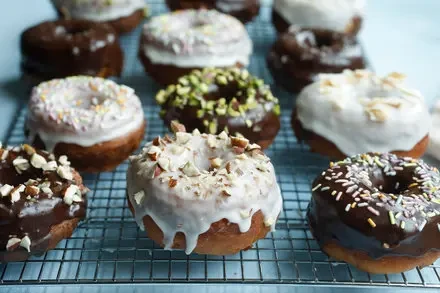
Crafting buttermilk cake doughnuts at home is not merely a culinary aspiration—it is an achievable reality. These timeless pastries feature a golden-brown exterior that gives way to a tender, cake-like crumb, hallmarked by the lightness imparted by buttermilk and baking powder. A critical principle: handle the slightly sticky dough with restraint to avoid overworking, which would yield dense, under-risen results. Equally essential is precise oil temperature control—use a thermometer to ensure consistency, as excessive heat risks uneven browning, while insufficient heat leads to greasiness. Finally, customize your finish with classic glazes, powdered sugar, or cinnamon-sugar, best enjoyed fresh from the fryer.
Ingredients (Yields ~12–15 doughnuts)
For the dough:
2 cups (250g) all-purpose flour
1 cup (200g) granulated sugar
1½ tsp baking powder
½ tsp baking soda
½ tsp fine sea salt
1 cup (240ml) buttermilk (room temperature)
1 large egg (room temperature)
½ cup (115g) unsalted butter, melted and slightly cooled
1 tsp pure vanilla extract
For frying: Vegetable or canola oil (enough to fill a deep pot 2–3 inches high)
For toppings (optional):
Powdered sugar glaze (1 cup powdered sugar + 2–3 tbsp buttermilk + ½ tsp vanilla extract)
Cinnamon-sugar (1 cup granulated sugar + 1 tbsp ground cinnamon)
Instructions
Prepare dry ingredients: In a large mixing bowl, whisk together flour, sugar, baking powder, baking soda, and salt until evenly combined.
Prepare wet ingredients: In a separate bowl, whisk buttermilk, egg, melted butter, and vanilla extract until smooth.
Combine mixtures: Pour the wet ingredients into the dry ingredients. Gently stir with a spatula until just incorporated—do not overmix. The dough will be slightly sticky; resist adding more flour, as this can dry it out.
Shape doughnuts: Transfer the dough to a lightly floured work surface. Pat into a ½-inch thick rectangle (adjust thickness to maintain even rising). Use a 3-inch round cutter to cut out circles, then a 1-inch round cutter in the center to create the doughnut hole. Re-roll scraps minimally (overworking scraps ruins texture) and repeat.
Fry doughnuts: Heat oil in a heavy-bottomed pot to 350°F (175°C) using a thermometer. Carefully place 3–4 doughnuts into the oil (avoid overcrowding). Fry 2–3 minutes per side until deep golden brown. Use a slotted spoon to transfer to a wire rack lined with paper towels to drain excess oil.
Cool and top: Let doughnuts cool for 5–10 minutes. For powdered sugar glaze, drizzle over cooled doughnuts; for cinnamon-sugar, toss warm doughnuts in the sugar-cinnamon mixture.
Pro Tips
Dough handling: The dough’s slight stickiness is intentional. Over-flouring or over-kneading develops gluten, resulting in tough, dense doughnuts. Lightly dust tools only as needed.
Oil temperature: Use a thermometer to maintain 350°F (175°C). Fluctuating heat causes uneven browning—adjust with a burner or hot plate.
Freshness: Serve immediately for the best texture (warm doughnuts are crispier, while cooled ones soften slightly).
Buttermilk substitute: Mix 1 cup milk + 1 tbsp lemon juice; let sit 5 minutes to curdle.
Final Notes
These buttermilk cake doughnuts balance tangy-sweet notes with a tender, cake-like crumb. Their versatility (glazes, powdered sugar, or cinnamon-sugar) makes them ideal for breakfast, brunch, or dessert. The key to success? Gentle dough handling and precise temperature control—every step ensures that signature rise and golden crust. Enjoy!