
Recipe Details
Finnish Pancakes (Lettus Crepes): A Classic Nordic Pan-Fried Delight
Key Information
Total Time: ~20 minutes (includes prep and cooking)
Difficulty: Easy
Servings: 4–6 thin pancakes (adjust based on batter quantity)
Introduction
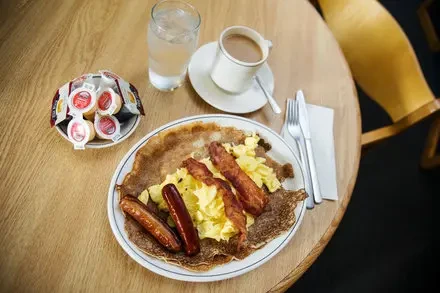
Finnish pancakes, or "lettus," are a beloved pan-fried variation of Nordic cuisine, distinguished by a delicate, tender texture and adaptability to both sweet and savory toppings. While traditional "pannukakku" (oven-baked) differs, this recipe captures the essence of pan-fried crepe-like Finnish pancakes, ideal for breakfast, brunch, or dessert.
Ingredients
For the Batter
2 large eggs (room temperature, for optimal emulsification)
1 tablespoon (14 g) granulated sugar (adjust to taste; regional variations may omit or reduce sugar)
Pinch of fine sea salt
2 cups (475 ml) whole milk (or a blend of milk and buttermilk for tangier texture)
1¼ cups (200 g) all-purpose flour
Vegetable oil (for frying; butter recommended for traditional richness, per regional preferences)
Step-by-Step Preparation
1. Prepare the Batter
In a large mixing bowl, crack the eggs and whisk until smooth. Add the sugar and salt, whisking continuously until the sugar dissolves and the mixture is well combined (1–2 minutes). Gradually pour in the milk while whisking to avoid lumps, then add the flour in a steady stream. Whisk just until the batter is blended—do not overmix (small lumps are acceptable, as overmixing develops gluten and creates dense pancakes).
Pro Tip: Let the batter rest for 10–30 minutes (per traditional Finnish family recipes) to allow air bubbles to form, enhancing lightness and texture.
2. Cook the Pancakes
Heat a 12-inch cast-iron skillet over medium-high heat. Add 2 tablespoons of oil (or butter) and swirl to coat the pan evenly. The oil is ready when it shimmers (approximately 350°F/175°C).
Pour ¾ cup of batter onto the pan and tilt it in circular motions to spread the batter into a thin, even circle (8 inches in diameter).
Cook for 2–3 minutes until the edges set and small bubbles form on the surface (indicates the underside is golden and ready to flip).
Using a spatula, gently flip the pancake and cook the second side for 2 minutes until golden brown.
Transfer to a plate and repeat with the remaining batter.
Chef’s Notes & Community Feedback
Traditional Variations
A Finnish culinary enthusiast notes that traditional family recipes often omit sugar, replacing it with 1 teaspoon of salt per liter of milk (paired with 500 ml flour and 2–3 eggs).
For tanginess, substitute ¼–½ cup of milk with buttermilk, though this transforms the result closer to a syrniki (cheese blintz) rather than a classic crepe.
Authenticity Clarification
A culinary historian emphasizes that this recipe aligns with "lettus" (pan-fried), distinct from the traditional "pannukakku" (oven-baked in a large, rimmed dish). This distinction highlights the versatility of Finnish pancakes, where form dictates style.
Regional Favorites
A Thunder Bay native shares that using butter (not vegetable oil) in a well-seasoned cast-iron skillet replicates the iconic flavor of historic Hoito restaurants. They also stress resting the batter for 10–30 minutes for optimal lightness.
Taste Testing & Adaptation
A regional cook notes the recipe "lacks authenticity" to their Thunder Bay childhood memories, underscoring that traditional family recipes may vary by region (e.g., salt, egg quantity, or fat type). This reflects the personal and cultural nature of Finnish culinary heritage.
Pro Tips
Use a well-seasoned cast-iron skillet to prevent sticking and enhance flavor.
Adjust cooking time based on heat intensity: reduce heat slightly if pancakes brown too quickly.
Top with jam, maple syrup, or savory fillings like smoked salmon for versatile serving options.
Enjoy this simple yet versatile Nordic staple, tailored to honor tradition while embracing personal preferences!