
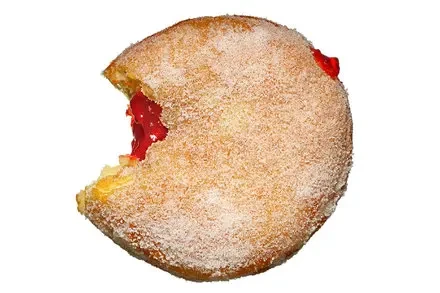
Recipe Details
Artisanal Doughnut Filling Technique: Beyond Conventional Sweetness
While many commercial doughnut shops prioritize visually striking fluorescent red glazes and cloyingly sweet, overly syrupy jelly fillings, this method empowers creators to craft a more authentic, flavor-forward experience. By selecting a high-quality jelly, jam, or marmalade with a balanced sweetness and rich texture (e.g., seedless strawberry jam, orange marmalade, or a house-made berry compote), you can elevate the filling to a memorable component of the doughnut, rather than an afterthought.
Essential Tools for Precision Filling
Pastry Bag Method: A standard pastry bag fitted with a large round tip (e.g., Wilton 12 or 10) is ideal for controlled, mess-free filling. The tip should be wide enough to easily push through the doughnut’s structure without tearing the pastry.
Funnel Alternative: If a pastry bag is unavailable, a funnel can be inserted into a small, pre-drilled hole on the side of the cooled doughnut (or a hole created with a sharp knife after rolling out the dough). This allows gravity and gentle spooning to guide the filling into the cavity.
Step-by-Step Filling Process (Post-Doughnut Preparation)
For optimal results, follow these steps to ensure the filling integrates seamlessly with the doughnut:
1. Cool the Doughnut Completely
After frying (or baking) the doughnut, allow it to cool to room temperature on a wire rack. This stabilizes the pastry, preventing the filling from melting or causing structural collapse.
2. Prepare the Filling
Select a filling that aligns with your flavor vision:
Homemade Jelly/Jam: For a bright, fresh profile, use a strained fruit puree (e.g., peach or apricot) simmered with sugar and a touch of pectin to achieve a spreadable consistency.
Store-Bought Upgrade: Opt for artisanal preserves with minimal added sugars and natural fruit content (avoid products labeled “high-fructose corn syrup” or “corn syrup” as primary ingredients).
3. Execute the Filling
Pastry Bag Technique:
Fill the pastry bag with the prepared filling, ensuring the bag is not overfilled (leave 1–2 inches of empty space to avoid pressure buildup).
Gently press the tip into the center of the cooled doughnut (avoid piercing the top/bottom edges to maintain a clean exterior).
Slowly squeeze the bag to fill the cavity until it’s ¾ full (overfilling risks seepage during handling).
Funnel Alternative:
With the funnel inserted into the pre-drilled hole, hold the doughnut upright over a bowl to catch excess filling.
Use a small spoon to pour the filling into the funnel, pausing occasionally to tap the doughnut and release air bubbles.
4. Final Touches
For a polished finish, dust the exterior with powdered sugar, cinnamon-sugar, or a thin glaze (optional). This step hides any filling residue and adds textural contrast.
By focusing on quality ingredients and precise technique, this filling method transforms a simple doughnut into a sophisticated treat, balancing structure, sweetness, and depth of flavor.