
Recipe Details
Tamales de Rajas y Queso: A Plant-Based Delight of Oaxaca’s Streets
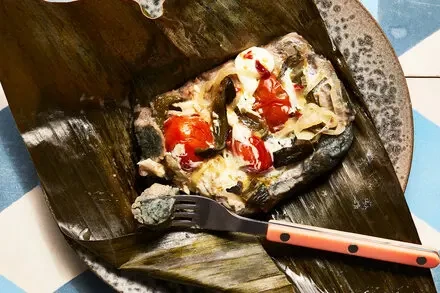
In the bustling streets of Oaxaca, a plant-based culinary treasure takes center stage: tamales de rajas y queso—a savory breakfast or midday snack that rivals pork- and chicken-stuffed tamales in its rich appeal. Distinct from their northern Mexican counterparts, which traditionally use corn husks (hoyos de maíz) for wrapping, these Oaxacan specialties are enveloped in charred banana leaves (hojas de plátano quemadas), infusing the tamales with a smoky, roasted, almost vegetal aroma and texture. The preparation process, while rooted in tradition, emphasizes a deliberate step: after shaping the masa (corn dough), it is pressed atop the leaf before filling, seasoning, and final wrapping.
Preparation Steps for Oaxacan Rajas Queso Tamales
1. Preparing the Charred Banana Leaves
Start with fresh banana leaves, thoroughly washed to remove debris. Lay leaves flat and char them over an open flame (stovetop or grill) until their surfaces develop slight browning and a toasted fragrance. This charring process is critical, as it imparts the distinctive smoky flavor that distinguishes Oaxacan tamales. Once charred, trim any rough edges and set aside to cool slightly.
2. Crafting the Masa
The base of tamales—masa—requires a balance of texture and flavor. Use pre-prepared nixtamalized masa (commercially available or homemade with dried corn, lime, and water). For a traditional twist, blend 2 cups nixtamalized corn flour with 1 cup warm water, ½ tsp salt, and 1 tbsp lard (or vegetable shortening for plant-based versions) until a thick, pliable dough forms. The masa should hold its shape when pressed but remain soft enough to wrap.
3. Assembling the Filling (Rajas y Queso)
For the “rajas” component, roast 1-2 fresh green or red bell peppers until blistered and charred, then peel and slice into thin strips (about ¼-inch). Combine the roasted rajas with ½ cup shredded Oaxaca cheese (queso Oaxaca) or a plant-based cheese alternative. Season with a pinch of cumin, garlic powder, and salt to enhance the savory profile.
4. Wrapping the Tamales
Lay a charred banana leaf flat on a work surface, spine-side up. Spread a ¼-inch layer of masa over the center of the leaf, pressing firmly to form a thin, even base.
Place 1-2 tbsp of the rajas cheese filling in the center of the masa layer, leaving a small margin around the edges to seal.
Gently press a second thin layer of masa over the filling, completely covering it and extending slightly beyond the edges to ensure a tight seal.
Fold the leaf’s sides inward, then roll the top and bottom edges to enclose the tamale, securing with a plant fiber string or toothpick. Repeat until all tamales are assembled.
5. Steaming to Perfection
Arrange tamales in a bamboo steamer basket (or a covered pot with a rack) to prevent direct contact with water. Add 1-2 inches of water to the pot, cover, and steam over medium-low heat for 45-60 minutes. The masa will puff slightly and turn opaque as it cooks. Check doneness by gently pressing the masa—if it springs back, the tamales are ready.
6. Serving
Remove tamales from the steamer and let cool for 5 minutes. Unwrap the banana leaves to reveal the golden-brown masa, now tender and fragrant. The charred leaves lend a subtle earthy sweetness, complementing the creamy cheese and smoky rajas. Enjoy as a standalone breakfast or paired with salsa for a hearty, plant-based meal.
This Oaxacan specialty not only celebrates local culinary heritage but also offers a vibrant, vegetable-forward alternative to traditional tamales, proving that plant-based cuisine can be both authentic and indulgent.