
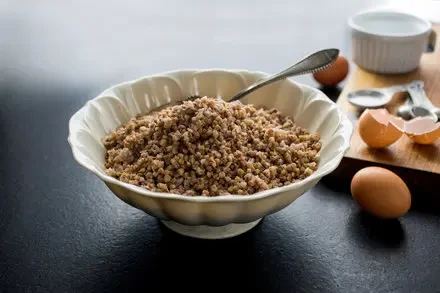
Recipe Details
Mastering Buckwheat Kasha: A Comprehensive Guide to Fluffy, Distinctive Results
Introduction
Buckwheat kasha—dry-roasted buckwheat groats—has long been a staple in Eastern European cuisine, celebrated for its nutty, earthy flavor and versatility. Yet, achieving consistently tender, non-mushy kasha has eluded many home cooks due to variable cooking times, grain types, and conflicting methods. This guide draws on decades of feedback from seasoned cooks, culinary traditions, and scientific texture control to demystify kasha preparation. By pairing the right grain cut, precise technique, and time-tested tricks, you’ll transform this humble grain into a satisfying dish.
Ingredients & Grain Selection
The foundation of perfect kasha lies in choosing the right groats and liquid ratio.
Key Groat Types
Medium-Cracked Kasha: Most accessible and beginner-friendly. Cracked into small fragments, it cooks in 15–20 minutes and resists mushing with proper technique (NYT Cooking).
Coarse/Whole Grain Kasha: Ideal for a toothsome texture. Coarse groats or whole kernels take 25–30 minutes to cook but yield a more robust, less mushy result (Robin S, Ksenya).
Pre-Roasted vs. Dry-toast: Check packaging for “pre-toasted” kasha (common in commercial blends). If not pre-roasted, dry-toast whole or coarse groats in a dry pan for 5–7 minutes until fragrant (light golden) before cooking (Dr. Frankel, Ksenya).
Essential Ingredients
Liquid: Water (1:2 ratio for medium-cracked, 1:3 for whole grain), vegetable or chicken stock (adds depth; use mushroom stock for vegan options) (Robin S).
Fats: Butter (traditional), oil (olive, canola; for vegan/gluten-free), or schmaltz/duck fat (authentic Jewish/Russian touch, Harris).
Optional Add-Ins: Eggs (for binding and richness), bacon/sausage (for depth), mushrooms/onions (sautéed for flavor), or farfalle noodles (Kasha Varnishkes, Dr. Frankel).
Core Cooking Method: Step-by-Step
1. Prep the Groats
- Dry Toast (if not pre-toasted): Heat a dry skillet over medium heat. Add 1 cup whole/coarse groats and stir frequently for 5–7 minutes until fragrant and lightly golden. For medium-cracked kasha, skip toasting (unless desired extra nuttiness).
2. Egg Coating (Optional, but Recommended)
Binding Technique: Whisk 1 egg per cup of groats in a bowl. Toss groats with the egg, pressing gently to coat evenly (milana23). This prevents clumping and creates a crisp exterior.
Vegan Substitute: Replace egg with 1 tbsp oil + 1 tsp cornstarch per cup groats (Tolke).
3. Dry Sauté to Toast & Release Flavor
- Transfer coated groats to a large, deep skillet (shallow pans = better steam control, per Harris). Press with a fork to separate kernels and toast for 3–5 minutes until dry and crackling.
4. Simmer with Liquid
Pour in liquid (water/stock) and bring to a simmer (not a boil!). Cover the pan with a lid slightly ajar to vent steam (Ksenya).
Timing:
Medium-cracked: 15–20 minutes on low heat.
Whole grain: 25–30 minutes (do not rush; undercooking = raw taste, overcooking = mush).
5. Fluff & Season
- Remove from heat, let rest 2 minutes, then fluff with a fork. Stir in butter, salt, pepper, or desired seasonings.
Expert Techniques to Avoid Common Pitfalls
Mushy Kasha? Fix These
Grain Choice: Avoid medium groats (they overabsorb moisture). Coarse/whole grain resists sogginess (Robin S, ChristineA).
Liquid Ratio: Use 2:1 water-to-groats for medium-cracked; 3:1 for whole grain (ChristineA’s “2x water” mistake led to mush).
Heat Control: Never boil! Low heat ensures gradual absorption and preserves texture (Ksenya).
Egg Debate: Should You Use It?
Proponents: Eggs bind groats, creating a light, fluffy texture (milana23, original author).
Skeptics: If omitting, add 1 tbsp oil per cup groats to mimic egg’s binding (Tolke, Jon).
Culinary Variations
Classic Jewish Breakfast Bowl: Top with a fried egg, bacon, and melted butter (Jesse).
Kasha Varnishkes: Sauté onions, add farfalle, and mix with kasha for a hearty main (Dr. Frankel).
Vegan Kasha: Swap butter for oil, use vegetable stock, and add sautéed mushrooms (Robin S).
Conclusion
Mastering kasha requires attention to grain type, heat control, and timing. By following these steps—choosing coarse/whole groats, dry-toasting, and simmering gently—you’ll unlock the grain’s nutty, fluffy potential. Experiment with traditions (schmaltz, bacon) or veggies (mushrooms, peppers) to craft your perfect kasha dish.
“No more mushy kasha!” – A testament to the power of technique and ingredient selection.
Sources: NYT Cooking, community reviews, and culinary heritage from Jewish/Russian home kitchens.