
Recipe Details
Classic Brioche: A Timeless French Sweet Dough Masterpiece
Recipe Overview
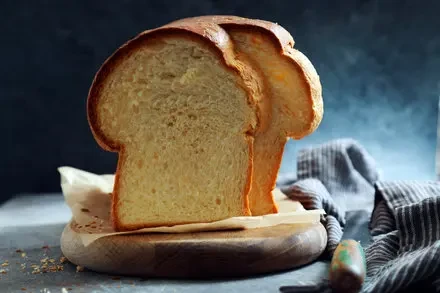
A classic brioche is a pinnacle of French pastry craftsmanship, celebrated for its tender, eggy crumb and croissant-like richness, achieved through a high-butter content and slow fermentation process. This traditional sweet dough requires precision in technique—namely, a stand mixer for efficient butter incorporation (hand-kneading is impractical for most home bakers)—and 24 hours of fermentation (including an overnight refrigerator rest) to develop depth of flavor and ensure manageable shaping.
Recipe Details
Total Time: 1 hour active preparation + 24 hours fermentation (includes overnight refrigeration)
Rating: 4.0/5 (660 ratings)
Reader Engagement: 61 comments
Ingredients (for 2 medium brioche loaves or 4 small brioche buns)
500g high-gluten bread flour (or strong bread flour)
25g instant yeast
100g granulated sugar
5g fine sea salt
2 large eggs (100g total, room temperature)
125ml warm whole milk (or heavy cream, 30–35°C)
200g unsalted butter, softened to room temperature (not melted)
Step-by-Step Instructions
1. Prepare the Basic Dough
In the bowl of a stand mixer fitted with the dough hook attachment, combine flour, yeast, sugar, and salt. Mix on low speed for 1 minute to distribute dry ingredients evenly. Add eggs and warm milk, then mix on medium speed for 5 minutes until a cohesive, slightly sticky dough forms.
2. Incorporate Butter
Reduce mixer speed to low. Add softened butter in 4–5 portions, mixing until fully absorbed after each addition. Once butter is integrated, increase speed to medium and knead for 8–10 minutes until the dough reaches the windowpane stage: A thin, elastic membrane forms when gently stretched, allowing light to pass through without tearing.
3. First Fermentation (Room Temperature)
Transfer the dough to a lightly oiled container, cover with plastic wrap, and let ferment at 24–26°C (75–79°F) until doubled in volume (1–2 hours). This activates yeast and develops the dough’s initial structure.
4. Overnight Refrigeration (Critical Flavor Step)
After the first rise, press the dough gently to release gas, shape into a smooth ball, and return to the container. Cover tightly and refrigerate at 4–6°C (39–43°F) overnight (12–16 hours). This slow fermentation deepens flavor, firms the butter, and simplifies subsequent shaping.
5. Shaping & Second Fermentation
Remove the dough from the refrigerator and let it rest at room temperature for 1–2 hours to relax. Gently deflate, then divide into 2 equal portions (for loaves) or 4 portions (for buns). Roll each portion into a smooth ball, then shape into a classic loaf (by folding ends inward and pinching) or leave as a round bun. Place shaped doughs on parchment-lined baking sheets, cover loosely, and proof at 24–26°C for 1–2 hours until puffed and springy to the touch.
6. Baking
Preheat oven to 180°C (350°F). Bake loaves for 30–35 minutes or buns for 20–25 minutes, rotating pans halfway through. The bread is ready when golden-brown on top and a thermometer inserted into the center reads 95°C (203°F).
7. Cooling
Remove from the oven and cool on a wire rack for 10 minutes before slicing to prevent crumbs from crumbling.
Key Notes
Butter Temperature: Softened butter (not melted) is critical for even distribution and texture.
Fermentation Timing: Overnight refrigeration is non-negotiable—it’s what elevates flavor and simplifies shaping.
Texture Tip: For extra richness, substitute 50ml milk with heavy cream; for a lighter crumb, reduce butter to 175g.
This recipe balances tradition and technique, delivering a bakery-worthy brioche that melts in the mouth. Enjoy fresh or toasted!