
Recipe Details
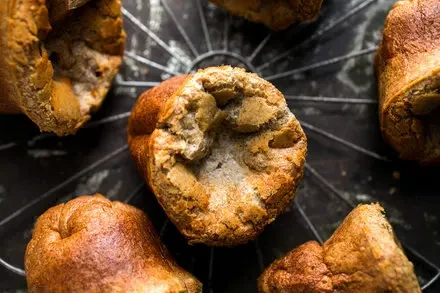
Buckwheat Popovers
Updated Feb. 29, 2024
Overview
Buckwheat Popovers are a savory, airy treat that marries the nutty depth of buckwheat with the classic popover’s crispy exterior and tender interior. This recipe combines all-purpose, whole-wheat, and buckwheat flours to create a balanced, flavorful batter that puffs dramatically when baked. Key to success: precise temperature control, room-temperature ingredients, and optimal batter preparation.
Prep & Cook Time
Total Time: 50 minutes
Prep Time: 15 minutes
Cook Time: 35 minutes (20 minutes at 450°F + 15 minutes at 350°F)
Servings
- Yields: 6 popovers (adjust for pan size; a 6-cup popover pan is ideal for even rising).
Ingredients
1 cup (236 ml) whole milk, at room temperature
3 large eggs, at room temperature
2 tablespoons unsalted butter, melted and cooled slightly
1 teaspoon granulated sugar
½ teaspoon fine sea salt
¾ cup (90 g) all-purpose flour
2 tablespoons buckwheat flour
2 tablespoons whole-wheat flour
Preparation Steps
Step 1: Preheat Oven & Prepare Pans
Preheat the oven to 450°F (230°C) with the popover pan or muffin tin inside during preheating. This ensures the pan is thoroughly hot, kickstarting batter expansion immediately. Lightly grease each cup with melted butter or coat with cooking spray to prevent sticking. For maximum rise, use a well-greased 6-cup popover pan; muffin tins work but yield smaller, less dramatic popovers.
Step 2: Mix the Batter
In a large bowl or spouted measuring pitcher, whisk the room-temperature milk, eggs, melted butter, sugar, and salt until frothy (about 2 minutes). This step incorporates air, critical for the popovers’ airy texture. Add the flours and whisk gently until mostly smooth—a few small lumps are acceptable (over-whisking develops gluten, leading to dense popovers).
Step 3: Bake the Popovers
Pour the batter into the prepared pan, filling each cup ¾ full (they expand significantly). Bake at 450°F (230°C) for 20 minutes to set the structure. Reduce heat to 350°F (175°C) and bake 15–20 minutes more until golden brown and puffed. Pro Tip: Never open the oven door during the first 20 minutes—temperature fluctuations cause deflation. Use the oven window to monitor progress. If using a muffin tin, reduce total baking time by 5 minutes (15 + 15 minutes).
Step 4: Rest & Serve
Remove from the oven and cool in the pan for 2–3 minutes, then transfer to a wire rack. Serve warm with butter, jam, or savory toppings (e.g., smoked meats, cheese).
Chef’s Insights & Reader Tips
Batter Resting for Maximum Rise
For the most dramatic rise, let the batter rest:
Option 1: Room temperature for 1 hour.
Option 2: Refrigerate overnight, then bring to room temperature before baking (many readers report consistently better results with this method).
Savory Variations
Prime Rib Drippings: Substitute butter in the pan with prime rib drippings for a rich, savory twist (similar to Yorkshire pudding).
Milk-Free Substitute: Use sour cream + water (1:1 ratio) if milk is unavailable; results in a tangy, breakfast-worthy texture.
Freezing & Reheating
Popovers freeze beautifully. Wrap cooled popovers in parchment, store in a freezer bag, and reheat at 325°F (160°C) for 10–15 minutes.
Flavor Customization
Increase Buckwheat: Experiment with ¼–½ cup buckwheat flour for a more pronounced nutty profile (reader-tested and recommended).
Wheat Bran Swap: Replace whole-wheat flour with wheat bran (adjust water if needed) for added fiber.
Pro Tips
Use room-temperature ingredients (milk, eggs) to prevent lumps and ensure even mixing.
Preheat the pan in the oven (not just the oven itself) for instant heat contact.
For extra structure, add ½ teaspoon baking powder to the batter (optional, based on flour type).
Final Note: Popovers are forgiving—even minor variations (e.g., no resting, substitutions) yield delicious results. Enjoy their airy, nutty charm!