
Recipe Details
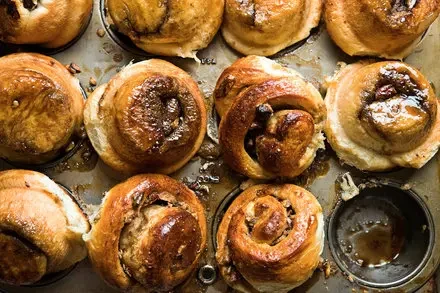
Sweet Stuffed Yeast Rolls (Nutty Raisin or Mixed Fruit Variation)
A beloved sweet roll recipe from NYT Cooking, celebrated for its soft, airy texture and nutty-sweet filling. Below, discover detailed preparation steps and insights from home bakers who’ve refined the recipe, along with adaptable tips for perfecting your batch.
Ingredients
For the dough:
Active dry yeast: 1 packet (2¼ tsp)
Warm milk: ½ cup (120ml, 105–110°F/40–43°C)
Sugar: 2 tbsp (for yeast activation)
All-purpose flour (or brioche flour for extra softness): 3 cups (450g)
Salt: ½ tsp
Butter: ½ cup (113g), softened
Eggs: 1 large, room temperature
Optional: Vanilla extract (1 tsp, added by Jellycat for depth)
For the filling:
Brown sugar: 2–2.5 cups (220–250g, adjustable per taste)
Chopped pecans or walnuts: 1 cup (150g)
Raisins, golden raisins, or currants: 1 cup (150g) (omit or substitute as preferred)
Optional: Melted butter: 2 tbsp (to bind filling, per Clara)
For the egg wash:
Eggs: 1 large, lightly beaten
Water: 1 tbsp (to thin wash, if needed)
For serving (optional):
- Glaze: Powdered sugar + milk/cream (added by Chris G)
Preparation Steps
1. Activate yeast & prepare the dough
In a small bowl, combine warm milk, 2 tbsp sugar, and yeast. Let sit 5–10 minutes until foamy (sign of active yeast).
In a stand mixer (fitted with dough hook) or by hand, mix flour, salt, and softened butter until crumbly. Add activated yeast mixture and egg; knead 8–10 minutes until smooth and elastic (dough springs back when poked).
Transfer dough to a greased bowl, cover, and rise in a warm place until doubled (~1 hour).
2. Prepare the filling
- In a bowl, mix brown sugar, chopped nuts, and raisins (or fruit substitute). If using, toss with melted butter to ensure binding and prevent dryness.
3. Shape the rolls
Deflate risen dough, roll into a large rectangle (12×18 inches). Spread filling evenly, leaving a ½-inch border on the short ends.
Brush dough lightly with egg wash (first wash) to help the filling adhere. Roll tightly from the long edge, pinching the seam to seal.
Slice into 12 equal pieces (see tip from Lucie: use a sharp serrated knife with one continuous slice per roll to minimize smushing).
4. Final proofing (refrigeration option)
Place rolls in a buttered muffin tin (or lined with paper liners, per Clara) or baking sheet. Cover and let rise until puffed (~45 minutes).
Fridge step: For enhanced flavor, chill rolls overnight in the refrigerator after rolling (Jellycat’s tip). Let come to room temperature and proof for 1 hour before baking.
5. Egg wash & bake
After final rise, brush rolls with egg wash (second wash) for a golden crust. Note: Two washes enhance appearance; skip one if presentation isn’t critical (Rebecca explains purpose is for color).
Bake at 350°F (175°C) for 15–20 minutes until golden brown. Check doneness by tapping tops—they should sound hollow.
6. Serve
- Let cool 5 minutes before transferring to a wire rack. Drizzle with glaze (if using) for extra sweetness. Enjoy within 2 hours of final proofing, or refrigerate and let rest at room temperature for 2 hours before serving.
Reviews & Tips: Home Baker Insights
From community feedback, here’s how to customize the recipe:
Sugar Adjustments
Too sweet: Reduce brown sugar to 1.5 cups (165g) (Nancy, Grant Taylor). Julia noted halving the sugar (1 cup) prevents spillage and balances sweetness.
Alternative: Use dark brown sugar for deeper molasses notes (Lucie).
Filling & Mix-Ins
Fruit swaps: Golden raisins are overly sweet (John); swap for regular raisins, currants, or dried cranberries. Lucie and Linded omitted raisins entirely (no raisin preference).
Nut variations: pecans (John, Lucie) or walnuts (original) work; add toasted pine nuts for uniqueness.
Assembly & Rolling
Reduce mess: Grant Taylor recommended less filling to prevent overflow; Clara added butter to the dough before rolling to prevent tearing.
Clean slicing: Use a sharp serrated knife with a gentle sawing motion (Lucie); avoid twisting the knife.
Egg Wash & Timing
Twice wash? Nancy questioned timing: Two washes enhance crust color (Rebecca). For faster baking, use one wash or skip entirely.
Baking pan tips: Clara used Texas-sized tins (3-inch diameter) for large rolls; standard muffin tins work too. Linded noted 3/12 rolls had uneven bottoms—use paper liners to prevent mess.
Flour & Tools
Brioche flour: Clara swapped all-purpose flour for brioche flour, resulting in softer rolls (any flour works).
Alternative yeast: Jellycat used SAF-Instant yeast for quicker activation; active dry yeast requires longer proofing (5–10 minutes).
Final Notes
This recipe thrives on personalization—adjust sugar, fillings, and timing to suit your taste. Whether you stick to the classic raisin-nut combo or experiment with reduced sugar and currants, the reviews confirm it’s a crowd-pleasing treat. Store leftovers in an airtight container for up to 3 days, or freeze for later enjoyment.
Copyright: NYT Cooking (2016), adapted with permission